
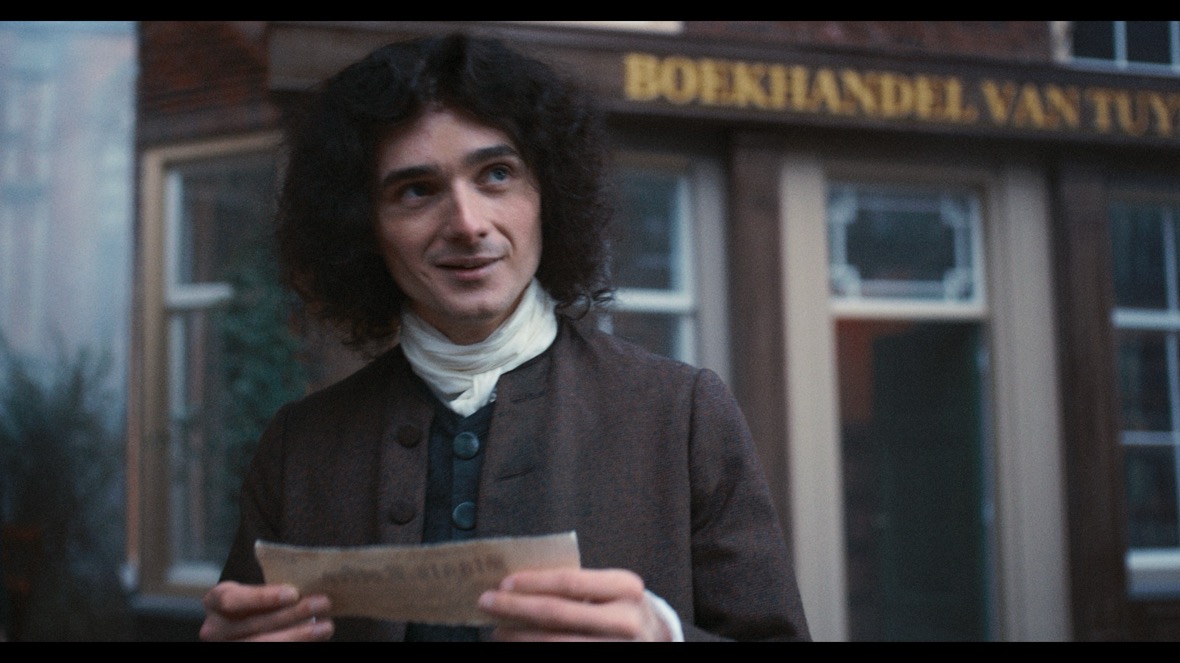
With ‘Dé loterij van Nederland sinds 1726’, Staatsloterij celebrates 300 years of history not with a festive rundown of dates, but with a cinematic journey through Dutch history. The time-travel concept is both a stylistic choice and a way to make a brand promise tangible: this is a brand that has been ‘of the Netherlands’ for generations, and no matter what changes, people keep dreaming of happiness.
Stramigo ran an effectiveness study for this campaign among 300 Dutch consumers. We looked at how the campaign performs on key factors such as viewing pleasure, irritation, distinctiveness, credibility, activating power and the overall rating, supplemented with recognition and open-ended responses to understand what is driving the scores.
Viewers immediately grasp the anniversary story
The first responses show that viewers pick up on the intent well. Some focus on the anniversary, others describe mainly the experience: “Already seen on TV, familiar. Nice how the whole period is shown and how close or far away happiness can be.” And: “Wow, that’s beautifully and historically made. Really wow, the music, the clothing, the eras, everything fits together perfectly.” Responses like these show that people genuinely experience the timeline as a story, not as a series of disconnected scenes.
“With this brand campaign, we wanted to do more than tell 300 years of history. For us, the anniversary was above all a chance to further strengthen Staatsloterij’s brand power. That’s why we chose a cinematic approach that shows dreaming has no era.”
“It’s great to see that the results confirm this creative choice isn’t just appreciated, but also contributes to a distinctive position for the brand. That’s ultimately what strong brand building is all about.”
Ivanka RubinghCampaign Manager Staatsloterij
What makes this campaign particularly strong
The campaign is highly rated and, above all, experienced as enjoyable to watch. In a category where communication can quickly become functional or promotional, this is a strategic advantage: a campaign people actually want to watch has a better chance of landing its message and leaving a positive memory trace for the brand. On viewing pleasure and overall rating, the campaign outperforms the TV commercials benchmark, the Industry benchmark (Lotteries) and the Organisation benchmark (Staatsloterij).
Distinctiveness stands out too: the campaign is rated higher than those same benchmarks on ‘distinctive’. That comes through in how respondents frame it: “Wow, truly a beautiful journey through time. It feels like a film rather than a campaign. Impressively good” and “This is a brilliantly made campaign, comparable to the Christmas campaigns, beautiful.” What helps here: the campaign generates relatively little irritation, scoring lower on this than the TV commercials and Industry benchmarks.
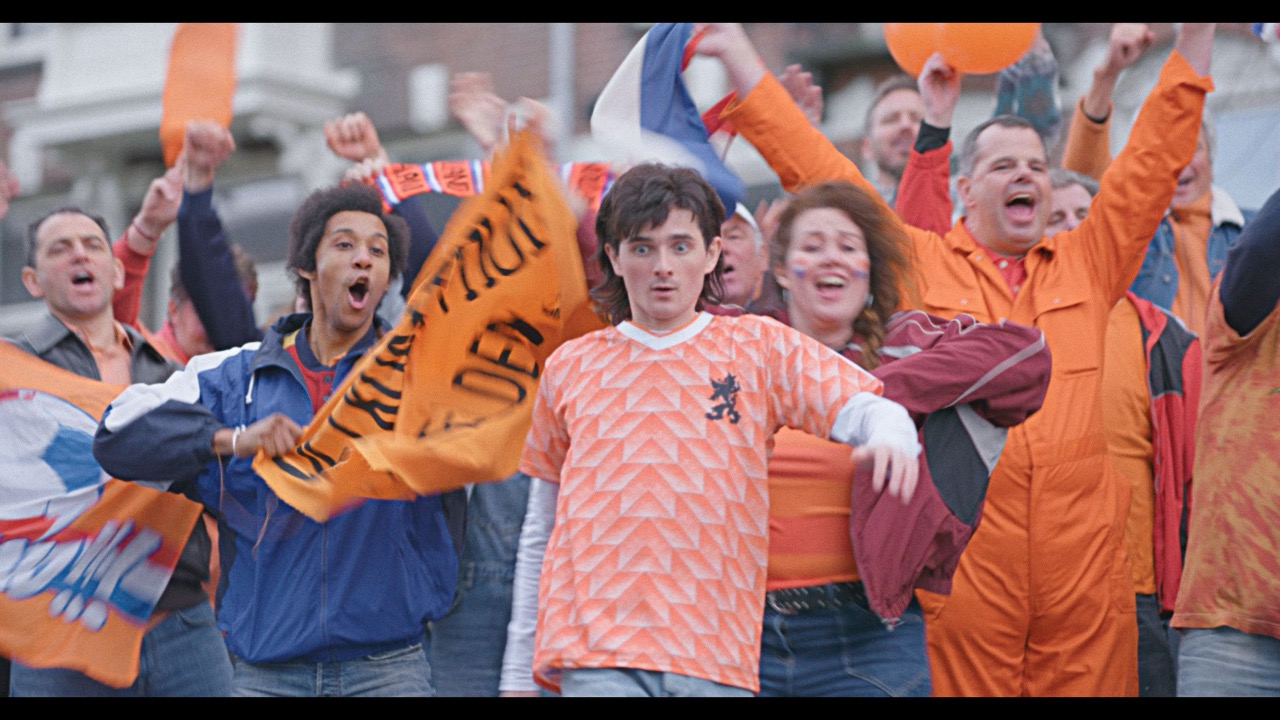
Finally, this brand film isn’t just “beautiful”: on activating power, the campaign outperforms the TV commercials and Industry benchmarks. That doesn’t mean a cinematic campaign suddenly becomes a pure sales machine, but it does provide enough of a nudge to shrink the step from passive viewing to active consideration.
Opportunities: the main video is long, so short versions play a crucial role
The main opportunity lies in something practical: the main video is long, and that doesn’t sit well with everyone. In the open-ended answers, “too long” and “drawn-out” come up regularly, for example: “You can see a lot of effort went into it… but for me it’s a campaign that’s a bit too long, so it’s hard to stay engaged.” A long version is often exactly what a brand needs to properly build story, emotion and brand world. But not every touchpoint is a ‘lean-back’ moment. Having shorter versions is therefore not a “nice to have” but an essential part of effectiveness. Staatsloterij did this well in this campaign by also deploying shorter versions.
A second opportunity touches on something that almost always plays a role for lotteries: scepticism about odds and prize money is entirely normal in this category. This campaign shows that cinematic brand building can actually play a role here. On credibility, the campaign performs no worse than the relevant benchmarks, and the open-ended answers reflect language that fits that: “interesting, clear, expert, trustworthy, modern, fun, quality, informative, energetic.” Responses like these help position the brand as mature and considered, exactly the framing lotteries need to keep earning trust.
Lessons for marketers
-
1
Turn a ‘fact’ into a story, so people start retelling it spontaneously.
The difference between “informative” and “effective” is whether people start repeating a factual claim themselves. Build your concept around one clear narrative mechanism that makes the fact felt, and check in qualitative feedback whether people reflect back the same core message in their own words. If they do, you have built not just reach, but memory.
-
2
Plan your campaign for different viewing moments: long for depth, short for repetition.
A long main video can build a brand world and stand out, but attention is context-dependent. So always create variants: deploy the long version where people are willing to watch, and let short versions do the work in repetition and fast-moving channels.
-
3
In ‘sceptical’ categories, brand style is also a form of proof.
In categories where consumers are naturally more critical, “shouting louder” often backfires. Cinematic quality, clear storylines and a calm, trustworthy tone then act as indirect proof that a brand takes itself and its promise seriously.
This campaign shows that a brand with history does not have to lean on nostalgia alone. By telling the anniversary as a captivating journey through time, “has been around for a very long time” becomes an emotional story about dreams, hope and recognition. The results show that this is not just appreciated, but genuinely seen as distinctive. We congratulate Staatsloterij on this special anniversary: 300 years of consistent brand building, delivering on trust, and staying relevant for ever-new generations.