
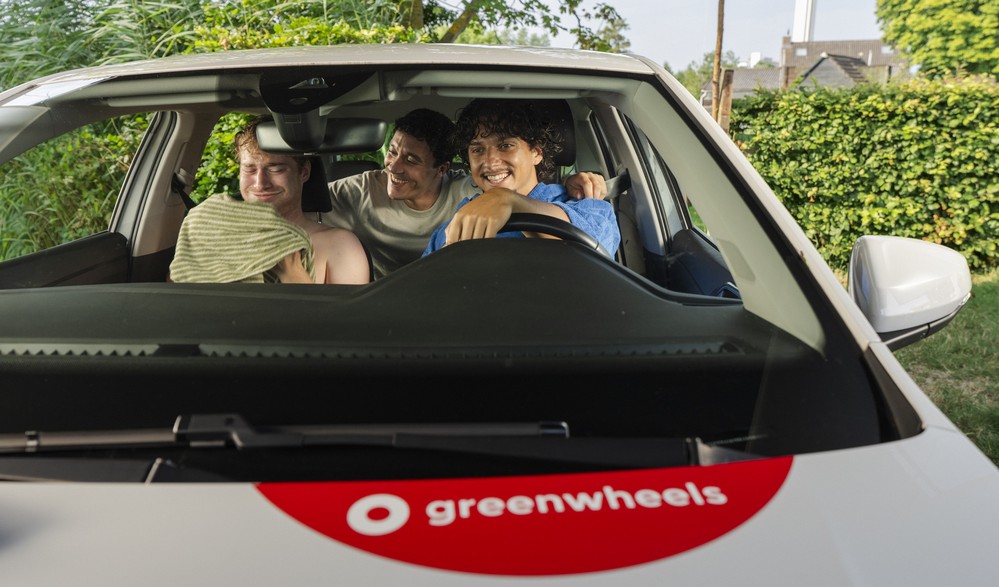
Most creative pre-tests try to answer one question: which version do people prefer? Greenwheels had three new campaign videos ready, 10 to 15 seconds each, all built around the same idea — a spontaneous moment where a Greenwheels car comes in handy — meant to run together as one campaign. Before committing to the final cut, they wanted to know how each video would land on its own with the target audience. So Stramigo tested all three among 380+ respondents aged 18 to 40 in the Netherlands. From research question to a concrete advice report: 6 hours.
That speed is more than a nice detail. Campaign production runs on tight deadlines, and research that takes weeks simply doesn’t fit when the final edit is due the next morning. This case shows what becomes possible once research can move at the same pace as the creative process itself, and what three near-identical videos can still reveal once you actually test them.
Three videos, one campaign: the gap you only see once you test
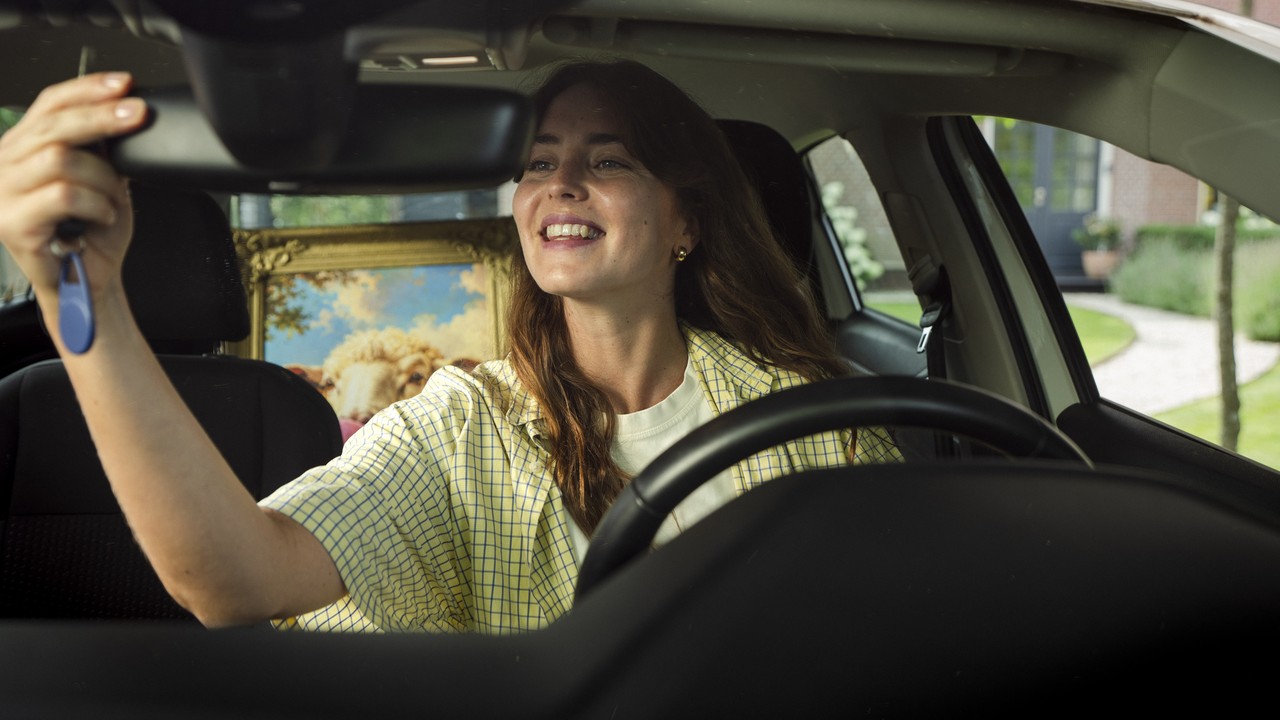
Each video follows the same brief: a spontaneous moment — a lakeside swim, a puzzling conversation about a painting, a family safari day — that leads to a Greenwheels car. Testing them side by side (no control group, just the three against each other) immediately separated the pack. One video came out on top on almost every measure: appreciation, clarity, and brand fit. A second landed close behind, with the lowest irritation score and the best spontaneous brand recall of the three. The third lagged on nearly every KPI: the lowest clarity, the lowest brand recall, and the highest irritation of the set.
That gap is exactly the kind creative instinct alone won’t catch. On paper, the weakest-performing video had real creative merit — it scored highest of the three on the association with sustainability — but the story around it didn’t land, and respondents said so directly: several described it as confusing, or simply couldn’t recall which brand it was for.
The shared blind spot: brand recognition
Across all three videos, only 37% of respondents spontaneously named Greenwheels when asked which brand the ad was for. The rest guessed Uber, a marketplace listing, a generic car dealer, or even a zoo advert. It’s not that the concept fails: curiosity and enjoyment scored well throughout, respondents used words like “curious” and “happy” to describe how the videos made them feel. The issue is timing: the brand only becomes explicit in the very last seconds, once the story has already run its course.
“With this new campaign, we want to show that a spontaneous plan is within reach even without owning a car, and tie Greenwheels more strongly to that sense of freedom. Especially with a first rough edit, you want to know quickly whether the creative idea actually lands with the target audience. Within a single day, we got confirmation that the campaign worked at its core, and very concrete insights that let us strengthen brand recognition and clarity in the final edits.”
Rolf de RodeBrand & Campaign Lead, Greenwheels
From insight to action: concrete notes, the same day
The advice report didn’t stop at scores. Each video came with concrete notes the editing team could act on immediately: add a brand bumper in the first three seconds, shorten the confusing opening shot, add a price overlay, or a subtitle to make the spoken message easier to follow. None of it touched the creative concepts themselves — the fixes were entirely about pacing and sequencing.
Why this matters for marketers
Greenwheels’ case is a reminder that creative preference in the room isn’t the same as impact with the target audience. Left to gut feeling, a team could easily have greenlit the video that scored worst on almost every measure, simply because it looked interesting on paper.
It also shows that a concept can succeed emotionally and still underdeliver on the one thing a campaign is ultimately for: making people remember whose car it was. Fixing that rarely means changing the idea — it means changing the timing.
Lessons for marketers
-
1
Testing prevents the most likeable video from also being the weakest
Creative preference among the people in the room is not a reliable stand-in for audience reaction. In this case, the video with genuine creative appeal — and the strongest sustainability association — also scored lowest on clarity, brand recall and irritation. Without a pre-test, that video had a real chance of being the one that made it to media.
-
2
A strong concept can still fail on brand link
All three videos scored well on curiosity and enjoyment, proof the creative direction works. But average spontaneous brand recall stayed at 37%, because the brand only became explicit at the very end. Pre-testing surfaces that gap before the media budget is spent, not after.
-
3
When research takes hours, not weeks, there’s no reason to skip it
This entire study — from research question to a concrete advice report — took 6 hours. That removes the usual excuse for skipping pre-testing under a tight production deadline: the bottleneck was never the research, it was the turnaround time. With that solved, pre-testing fits inside any campaign timeline, not just the ones with room to spare.
None of the three Greenwheels videos needed a new concept. They needed sharper timing — on the brand, the storyline and the message — to turn good stories into strong campaign videos.