
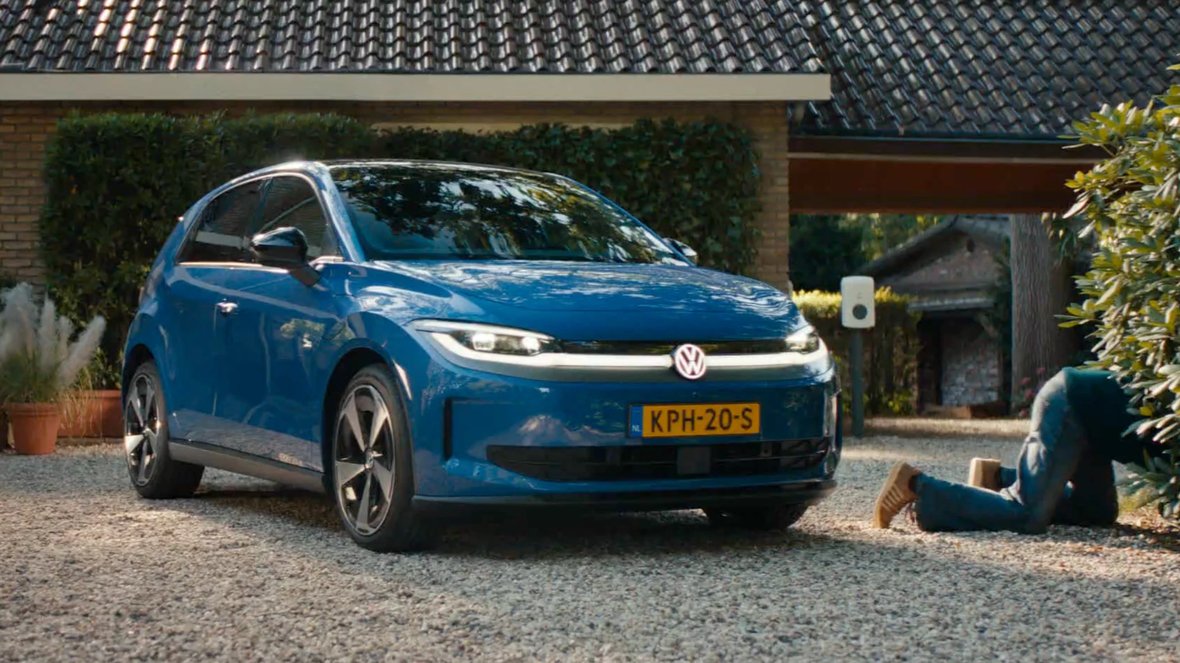
Volkswagen is bringing a new generation of electric models to market, including the ID. Polo. That puts the brand in front of a question many established brands know well: how do you renew your range without losing the feeling people have trusted for decades? A technical story about batteries and range was the obvious route. Volkswagen chose something else, a human insight: however exciting it is to let go, a Volkswagen gives you trust.
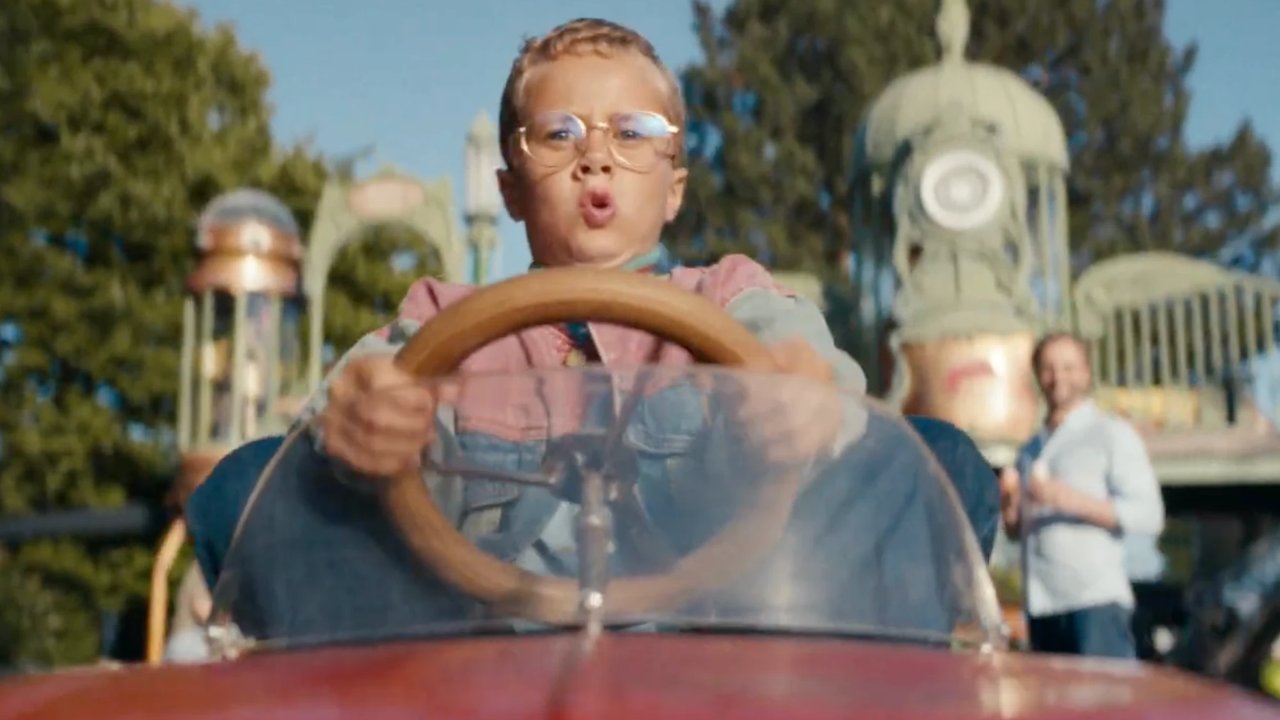
In the commercial, a boy grows up to be the worst driver his father has ever seen. He runs into a mascot at the amusement park, spins out while go-karting and ends up in a ditch on the lawnmower. Even so, as an adult he gets to try out his father’s newly bought Volkswagen. To everyone’s surprise, he drives calmly and confidently. Only when he gets out does something go wrong after all.
Stramigo ran an effectiveness study for this campaign among 250+ Dutch consumers. We asked about viewing pleasure, irritation, credibility, distinctiveness, activating power, an overall rating and how clearly the message comes across. The open-ended responses showed what lies behind those scores.
Humour as the way in, trust as the message
Read the first responses and two words keep coming back: fun and funny. Almost a quarter of viewers call the commercial “funny” of their own accord, about a third call it “fun”. “Funny, nice twist”, one viewer writes. Another: “These are the kind of ads I love.”
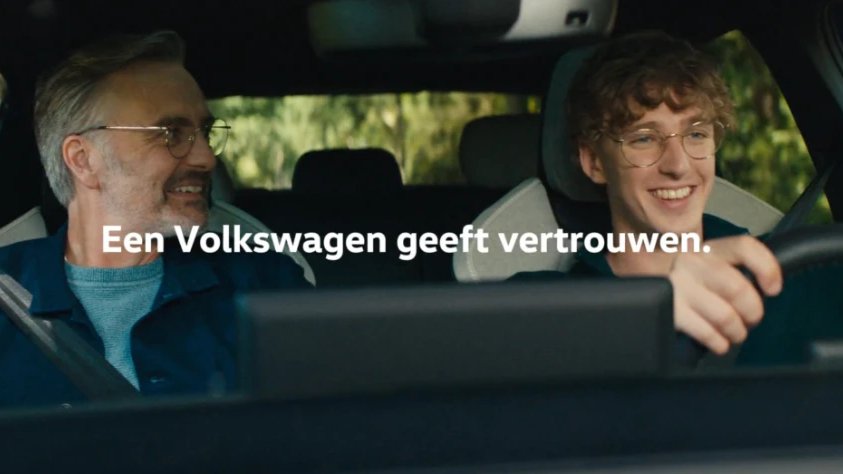
The humour does not get in the way of the message. Some viewers sum up the core themselves: “Fun to watch and funny. Clearly about the safety and trust of a Volkswagen.” Someone else writes: “It radiates a positive atmosphere and tells a lovely story about the relationship between a father and son. The message about trust is clear and sticks. It suits Volkswagen well.”
The figures tell the same story. More than half of viewers rate the clarity of the message an 8 or higher.
What makes this campaign particularly strong
Most car ads follow a familiar recipe: an empty road, a beautiful landscape, a car taking a bend with precision. The car is the hero. Volkswagen turns that around. Here the story is about a father and his son, and the car only comes into play at the moment the tension drops away.
In our view, that also explains the high viewing pleasure. Viewers find the commercial a lot more enjoyable to watch than the average TV commercial and the average car ad, and they give it a higher overall rating too. For Volkswagen that matters, because the message only comes at the end. Anyone who stays hooked by the story takes that message with them.
The story also makes the campaign distinctive. Viewers find it clearly more original than what they are used to from car ads. That is less down to the visuals than to the situation. Many people know the feeling of a parent watching with dread, or of the child who wants to show they can do it after all. Viewers describe the commercial as “funny, creative, recognisable and sweet”.
With a big purchase like a car, humour also carries a risk. A brand can come across as less serious, and a joke can start to grate after a few viewings. We see none of that in this study. The commercial is considered just as credible as the average car ad, and no more irritating. Volkswagen can be light-hearted without giving up any of the trust the campaign is about.
The nuance: young and old respond differently
On average, the campaign prompts people to act about as strongly as other TV commercials and car ads. Look at age, though, and the picture changes. Viewers under 30 are clearly more activated than viewers over 60. For the oldest group it is mainly an enjoyable film; among younger viewers it more often sets something in motion.
With irritation the pattern is reversed: younger viewers are bothered by it slightly more often than viewers over 45. Those who are more affected also tend to have a stronger opinion, in both directions.
For a campaign built around a new generation of electric models, that is a good sign. Younger viewers, who are more open to making that switch, are the ones it speaks to most strongly.
Opportunities: the electric story gets a place of its own
The biggest opportunity lies in what viewers do not mention of their own accord. They talk about the humour, about father and son, about trust and about Volkswagen. The model itself is barely mentioned, and electric driving not at all. Viewers do not yet link the brand message to the new models on their own.
For a brand campaign, that is not a problem in itself. If Volkswagen wants people to remember ‘trust’ and ‘electric’ together, there is still something to gain. And Volkswagen is already doing that: in a tag-on, a short spot that follows directly after the commercial, the new electric models take centre stage. The main commercial establishes the feeling of trust, and the tag-on connects that feeling to the new models.
Lessons for marketers
-
1
A promise anyone can make becomes yours through a story.
Any car brand can claim ‘trust’. Because Volkswagen shows it through a father learning to let go of his son, viewers find the campaign clearly more distinctive than the average car ad. They also play the message back in their own words.
-
2
Humour works best when it carries the message.
In this commercial, the jokes build the tension towards the message. Viewers mainly call it funny, yet more than half find the message clear. Credibility does not suffer.
-
3
Look beyond the average.
Across all viewers, the campaign activates at an average level. Younger viewers are clearly more activated than viewers over 60. Only when you look per target group do you see whether your campaign reaches the people it is meant for.
Volkswagen shows that new models do not immediately need a new story. By linking the innovation to something that has belonged to the brand for generations, the step to electric driving feels familiar. One viewer summed it up like this: “Nicely done. Son earns his father’s trust.”
(Photo credit: Volkswagen)